
Project Description
The Museum of Pathological Anatomy
Anatomical Specimens On Demand. Video exhibits, podcasts and online games for a new dialogue between university research and society: the human and scientific stories behind the museum’s specimens.
01A dialogue between research and society
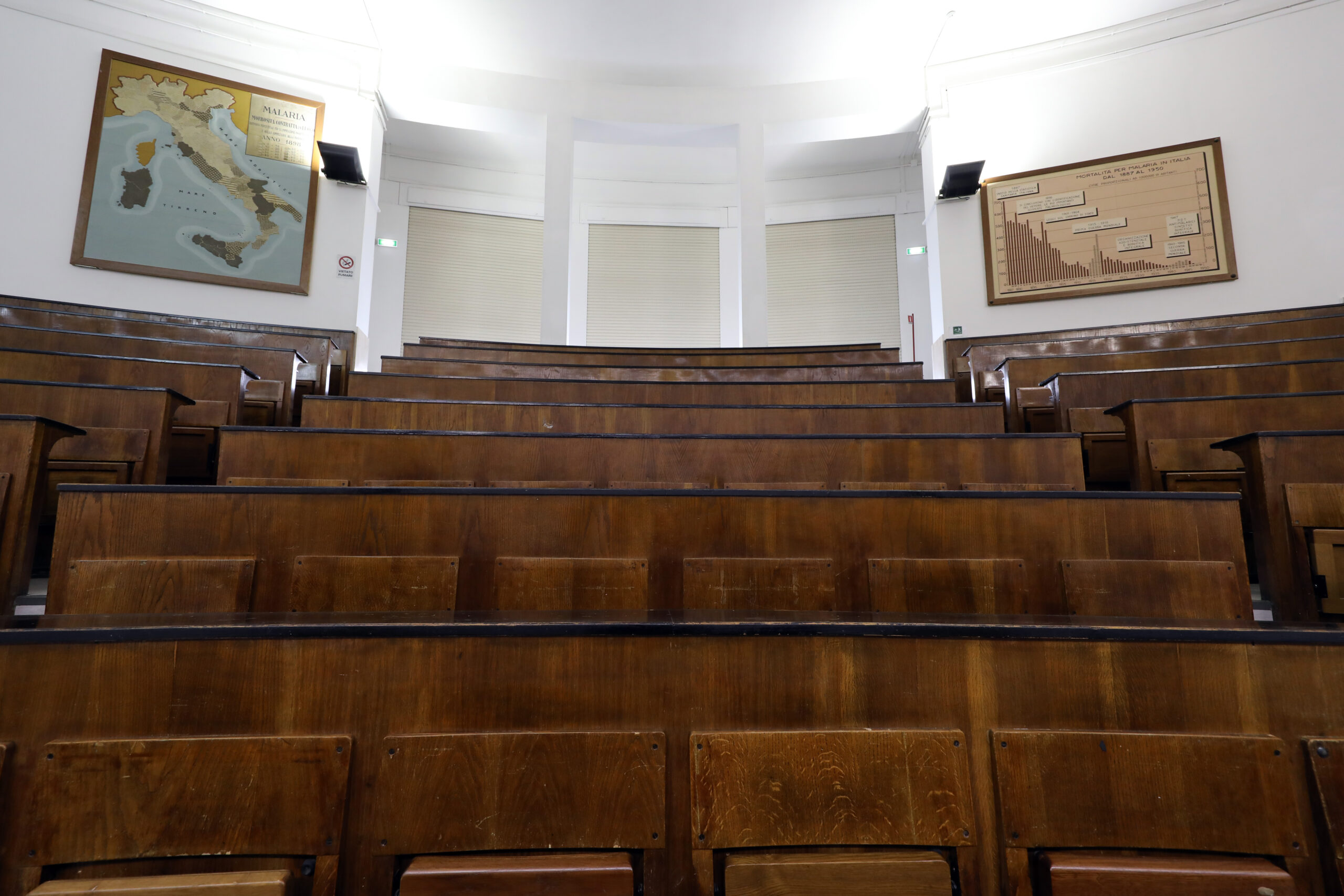
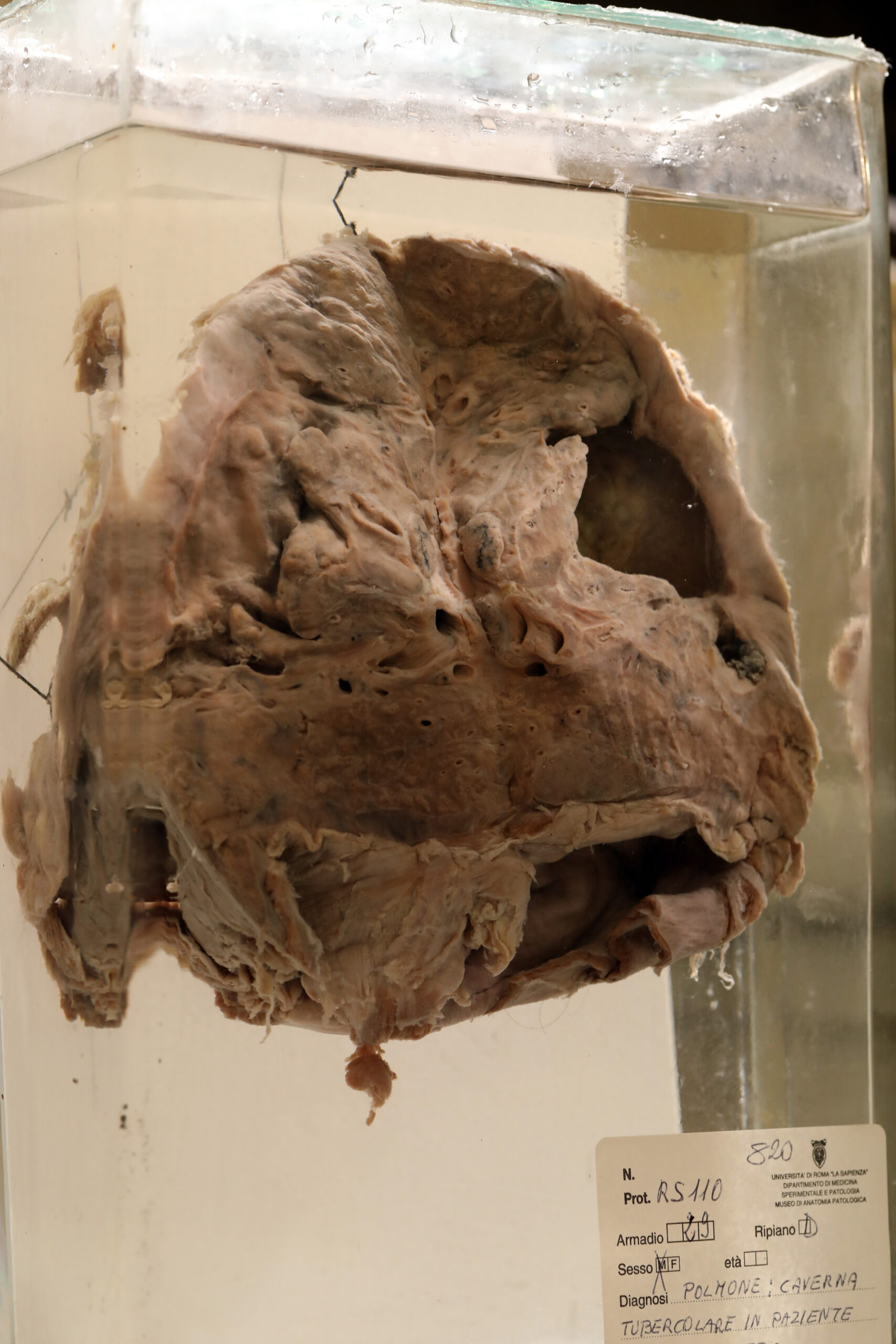
The specimens on display in a museum always tell a particular story. This is even more true for the specimens in the Museum of Pathological Anatomy at the Sapienza University of Rome Museum Hub.
With the Third Mission project Anatomical Specimens On Demand: video exhibits, podcasts and online games as a medium for a new dialogue between university research and society, the museum set out to tell the human and scientific stories hidden behind certain specimens held in the collection.
Some of the pathologies on display can now rarely be found in modern cases: a place like this is invaluable for those pursuing medical studies, and the project was created to open the collection to a wider audience, through social media channels.
02The videos
The trailer · three video exhibits · Renovatio YouTube channel
03Three specimens, three stories
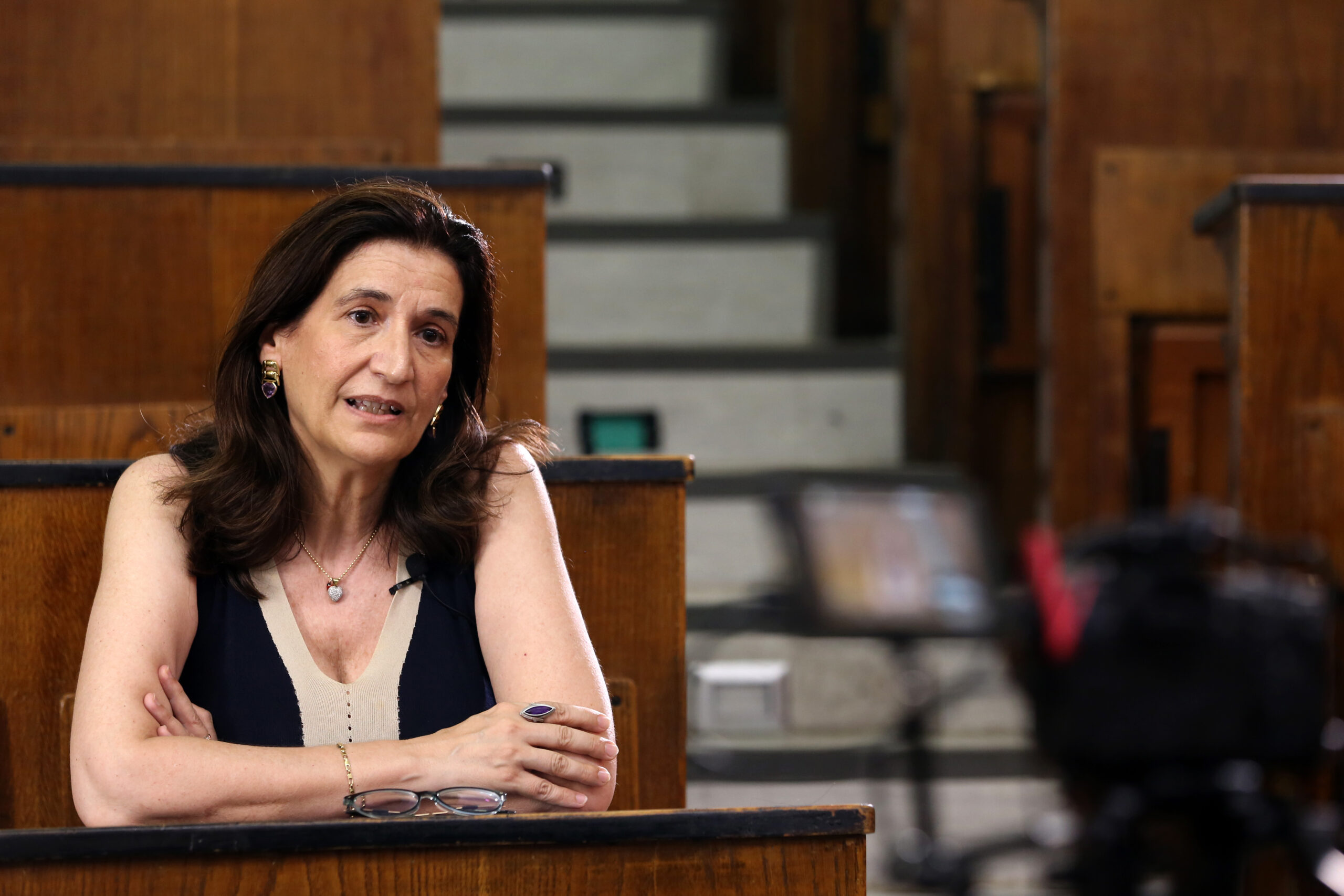
The Lithopedion. Professor Giulia d’Amati, of the Department of Radiological, Oncological and Pathological Sciences, recounts her personal experience with the lithopedion, or calcified fetus, found during a diagnostic examination performed by her mentor, Professor Antonio Ascenzi, when she was still a university student.
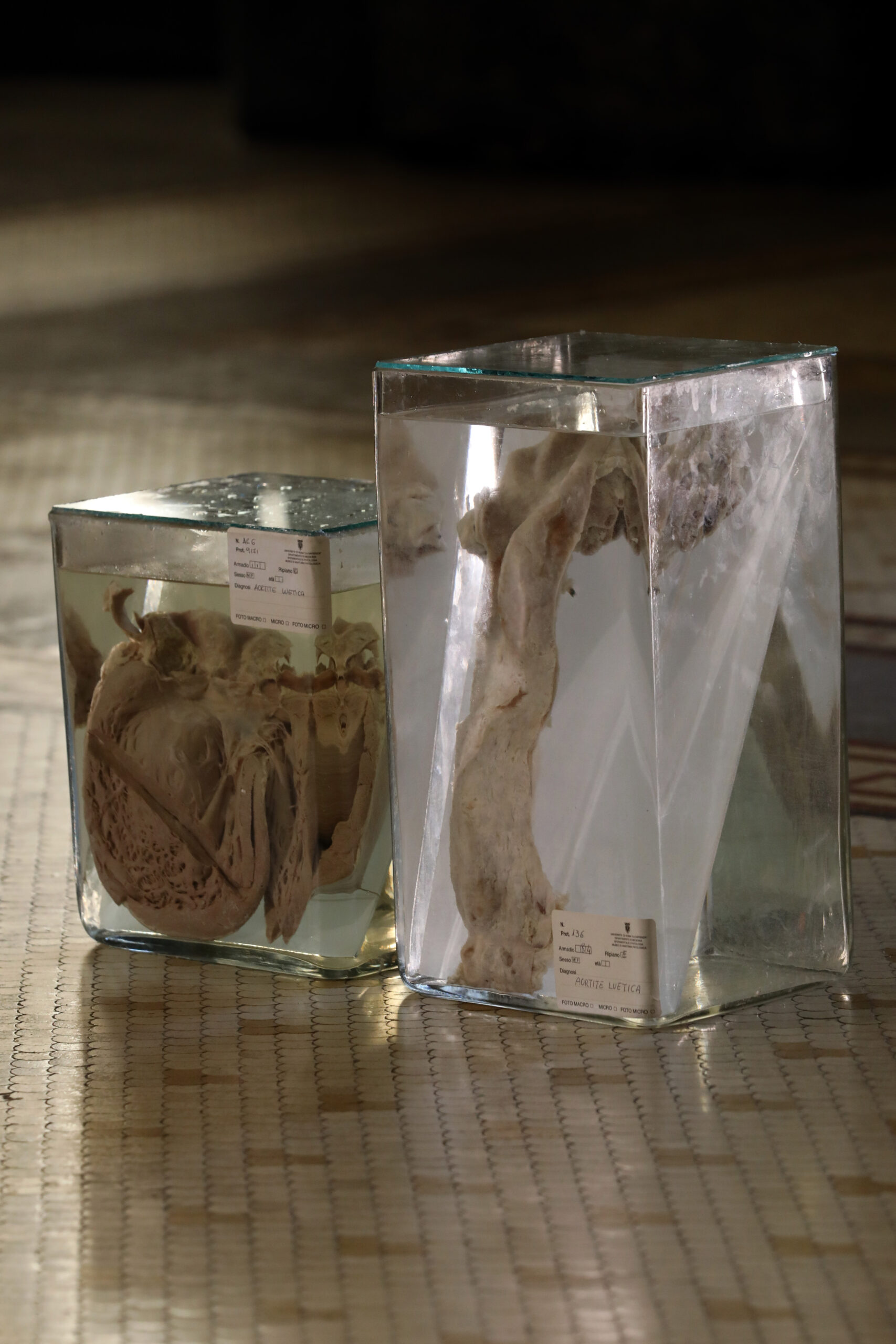
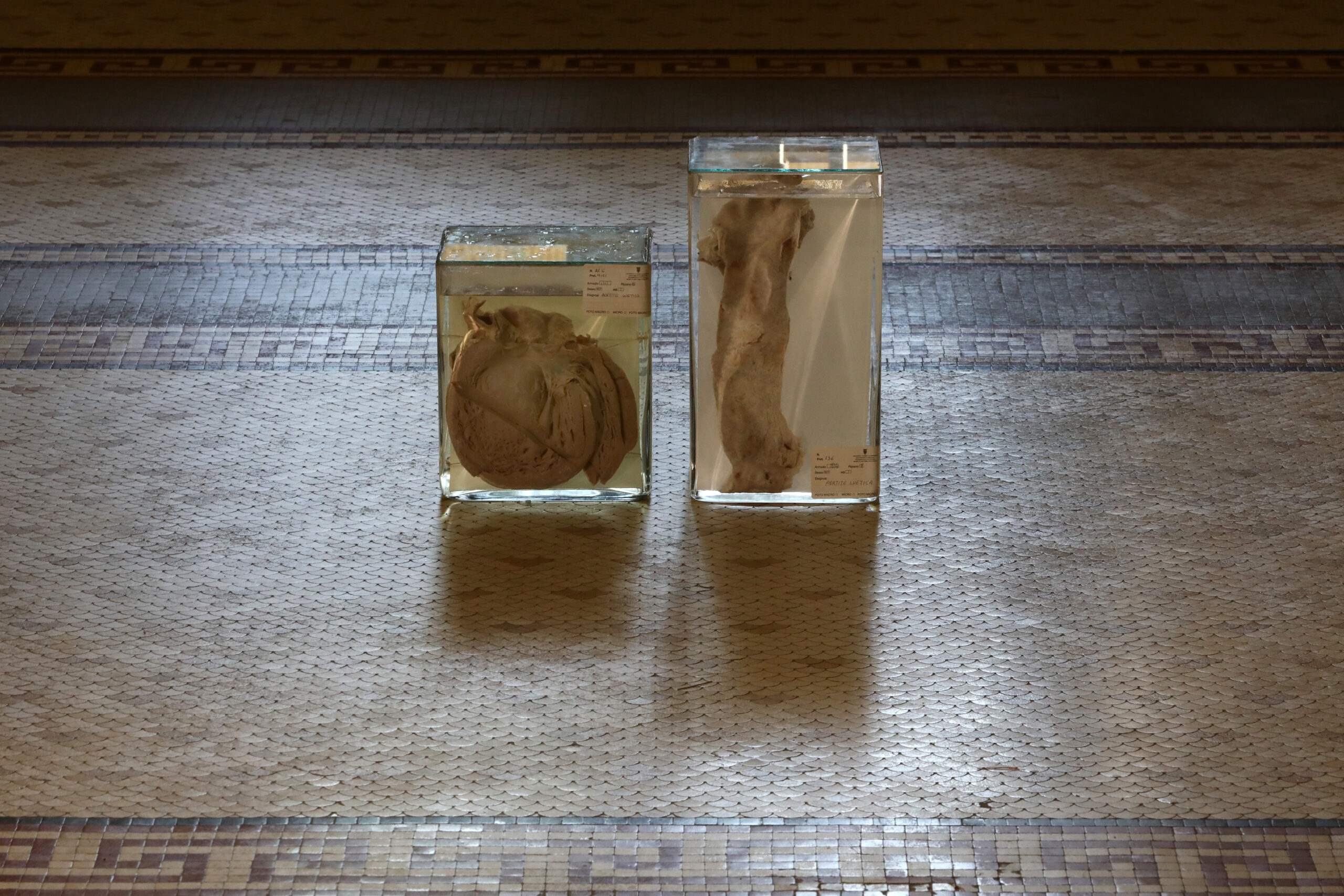
Syphilis. Professor Cira di Gioia draws on the specimens of an aorta and a heart affected by syphilitic aortitis to tell the story of the disease, now vanished, but which — probably brought by the French to Naples from the 15th century onward — claimed many victims over the centuries.
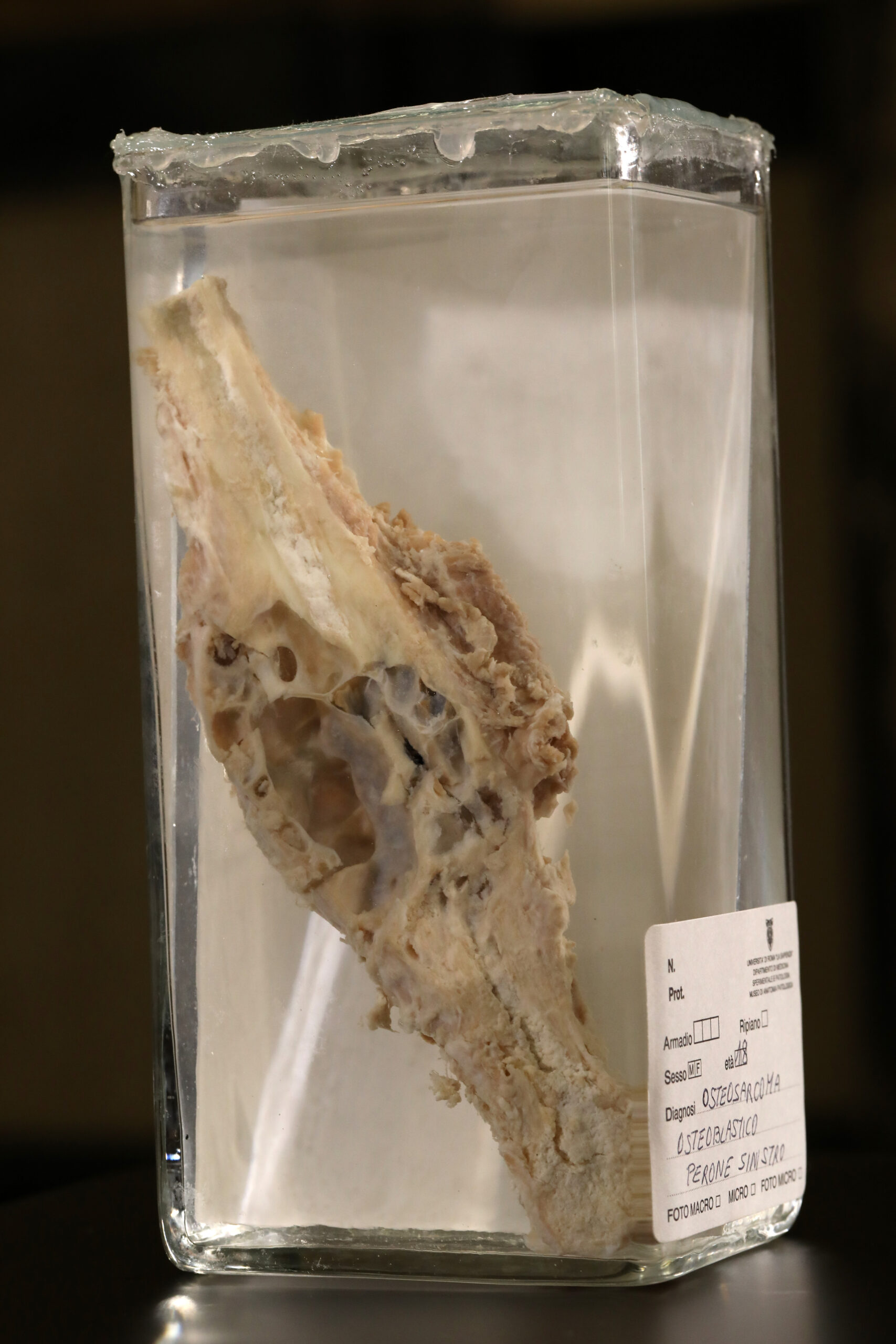
Osteosarcoma. Professor Carlo Della Rocca, director of the Pathological Anatomy and Histology Unit at the Policlinico Umberto I in Rome, recounting the story of osteosarcoma, recalls the case of Luca, a young man affected by this particular condition, to whom the specimen belongs.
04The gallery





Scroll sideways