
Project Description
Montarrenti Castle
Some buildings exist. Others endure. A thousand years of history in the Sienese hills, and a management project that gives the castle back to its community: Renovatio’s flagship project for historic heritage.
01The history of the castle
Archaeological research traces the origins of Montarrenti to the 8th century, when a small village linked to mining and metallurgical activity arose at the base of the hill, later becoming a manorial center. In the 10th century the settlement, destroyed by fire, was rebuilt within a wooden palisade with an initial fortified core; from the 12th century wooden structures gave way to stone. The first written record of the castle is a 1156 papal bull from the Bishop of Volterra.
Montarrenti’s fortune was silver: the nearby mines — the Colline Metallifere were then Europe’s leading mining district — made it a strategic stronghold, so much so that in 1178 a Cattaneo da Montarrenti administered the mines on behalf of the Comune of Siena. In 1217 the castle’s consuls swore loyalty to Siena, which stationed a podestà there: between 1217 and 1271 the castle, the church of Santa Maria and the walled village reached their peak. Then, as the mines were exhausted, a slow decline set in: by 1720 documents describe the castle and village as already in ruins.
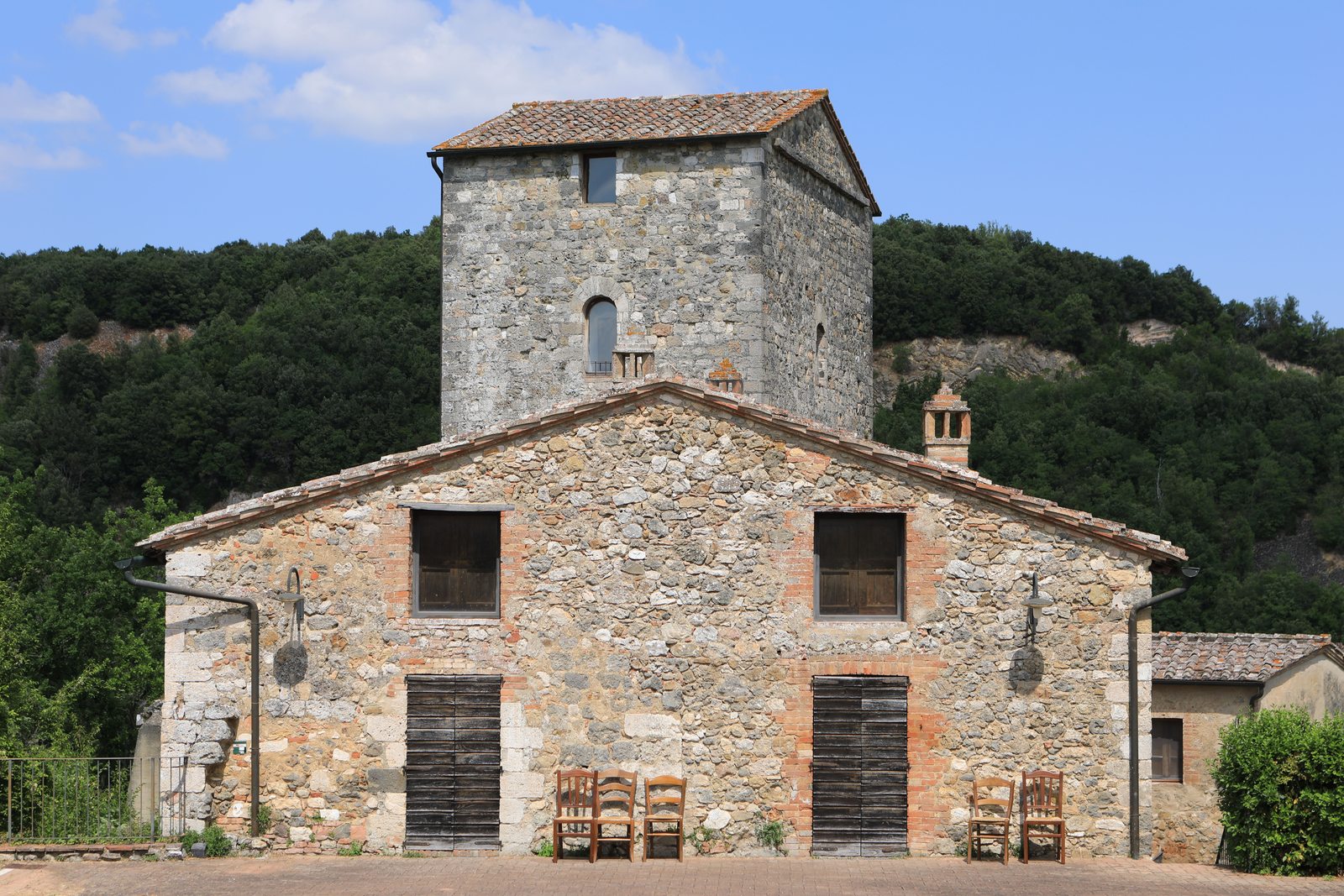
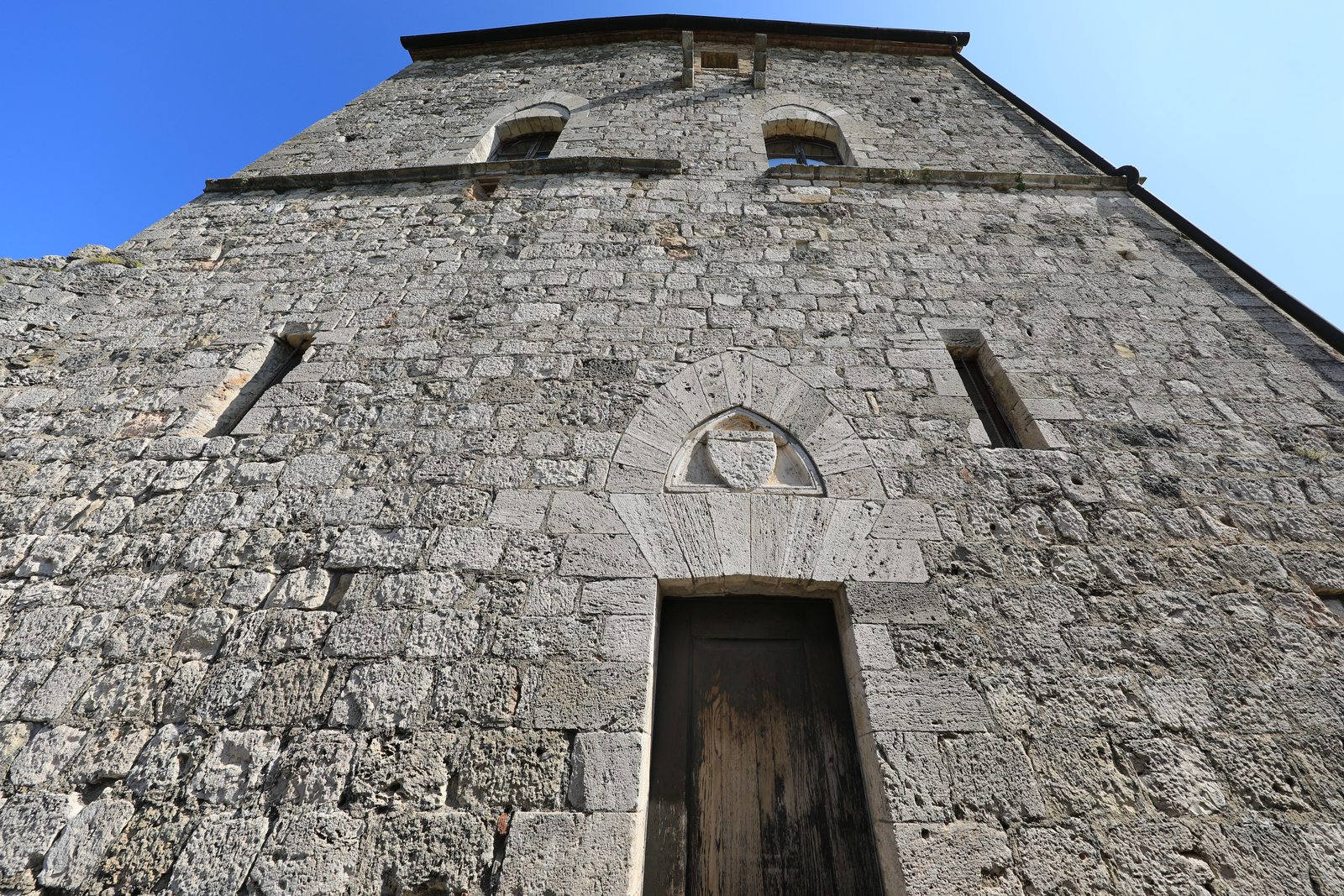
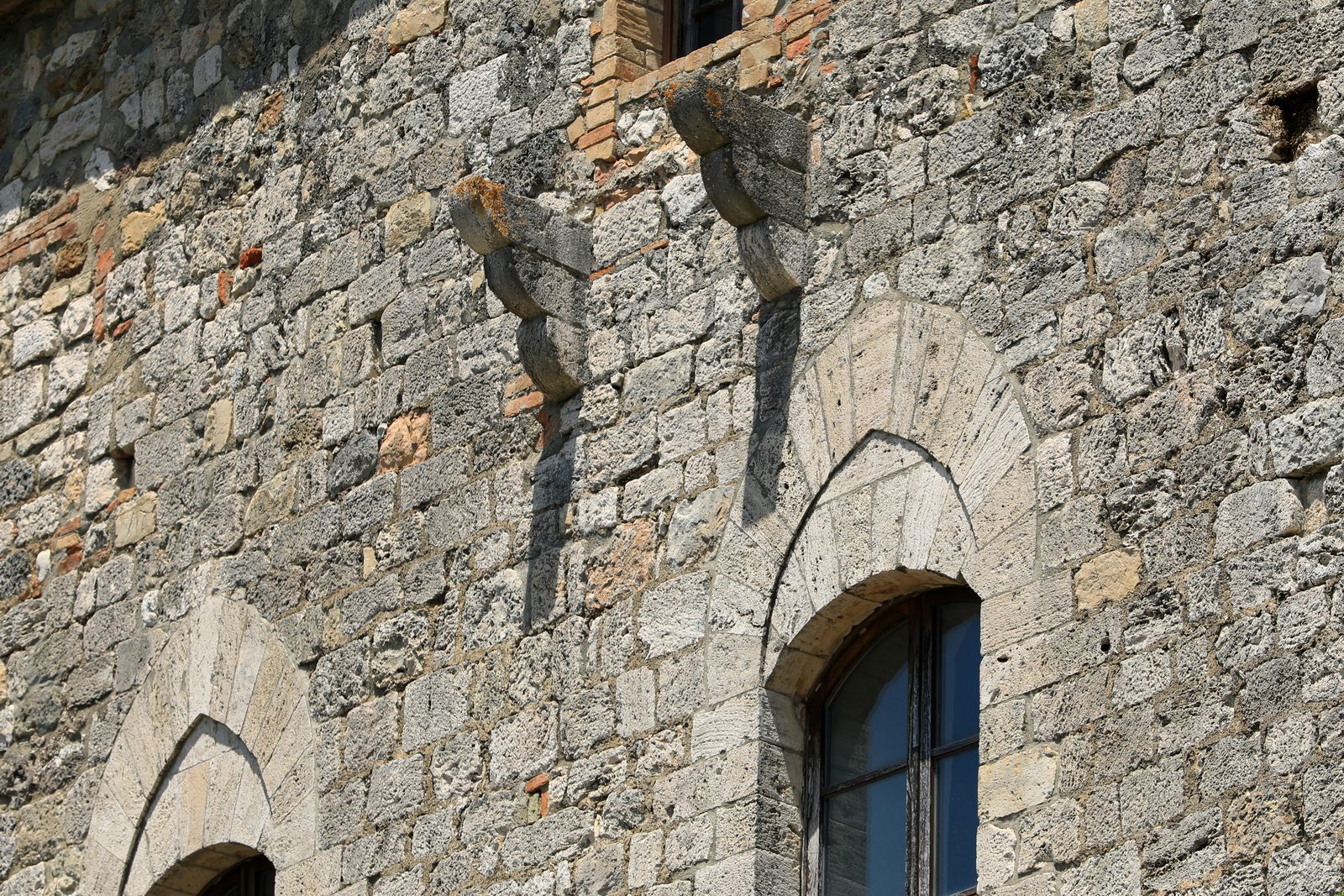
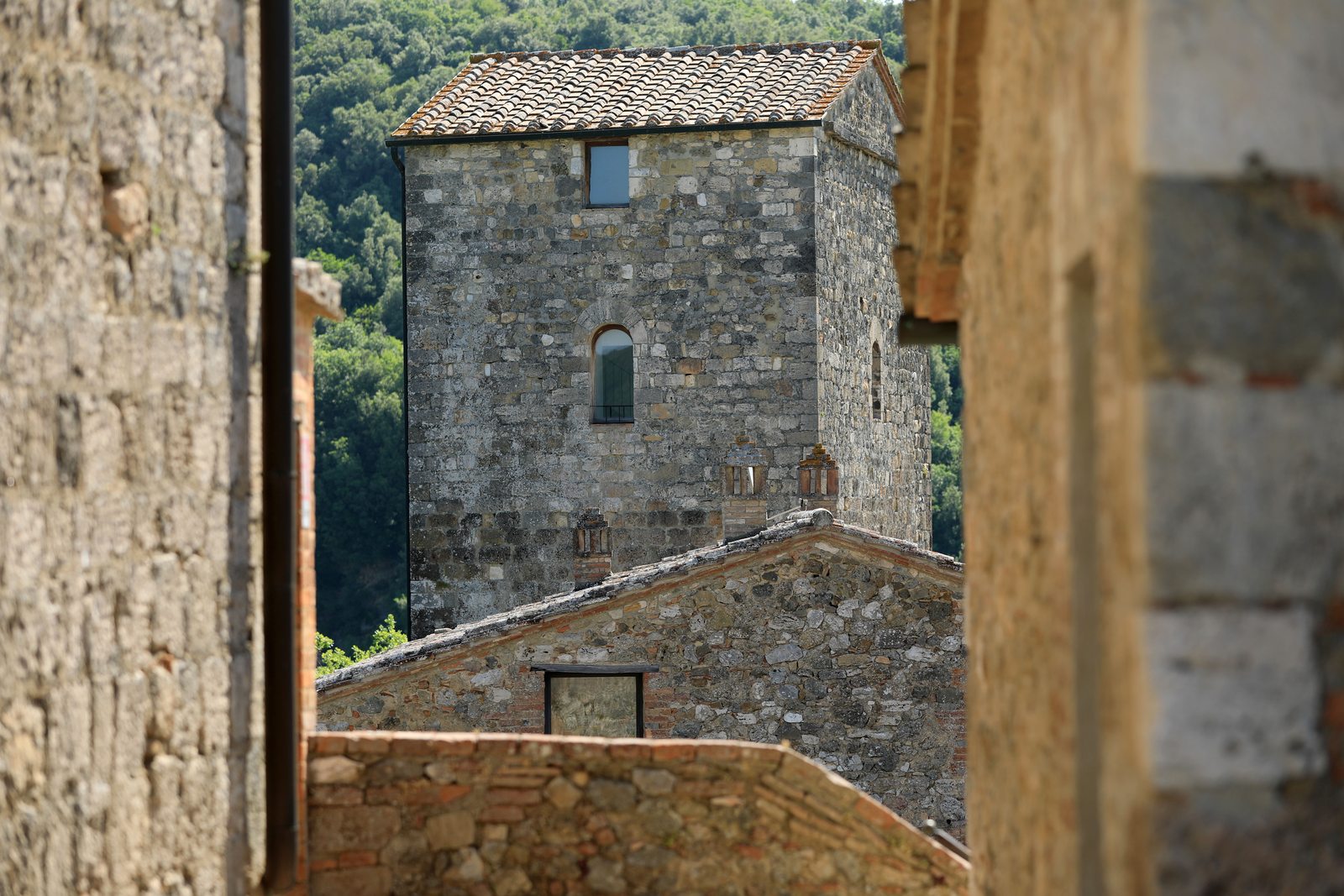
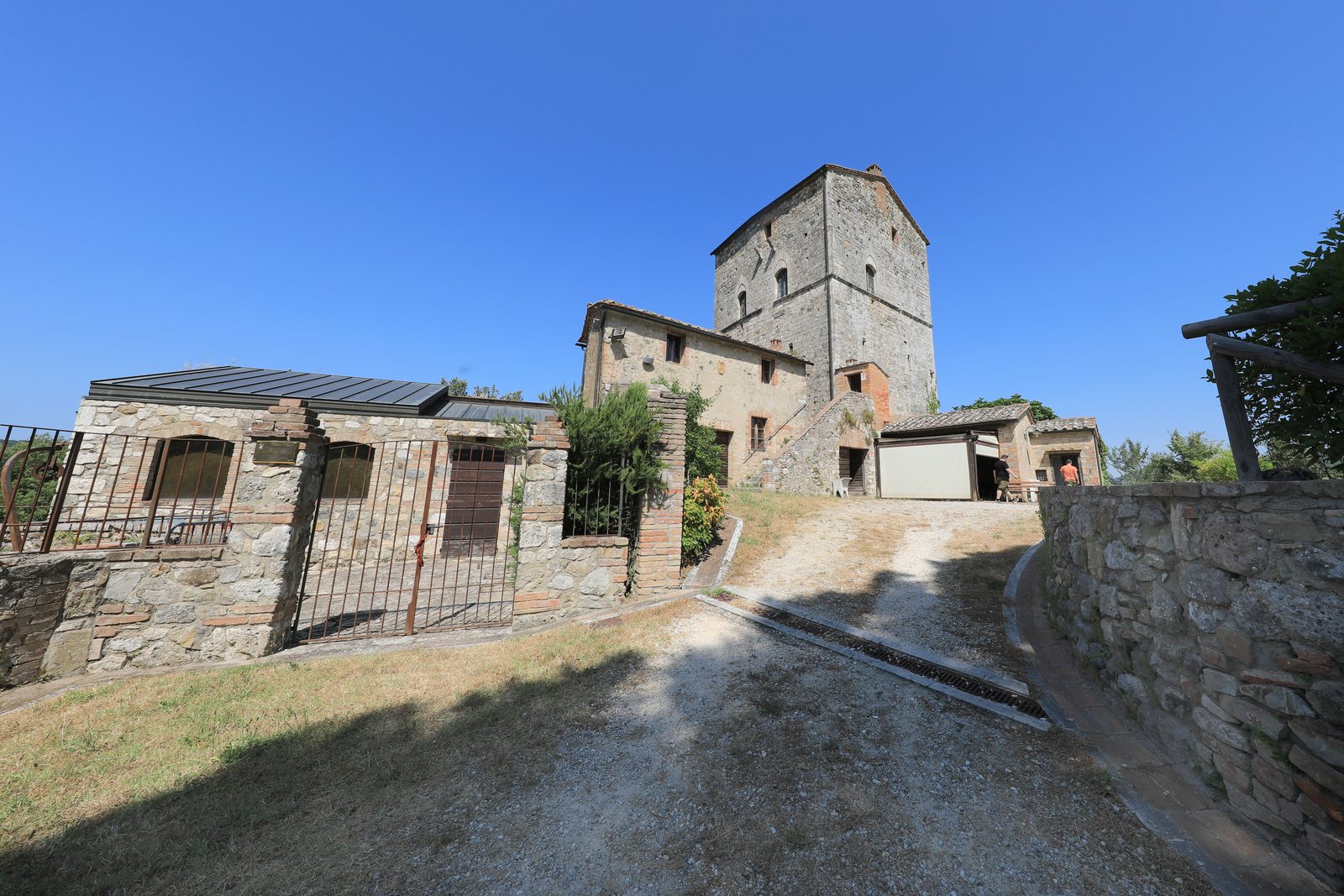
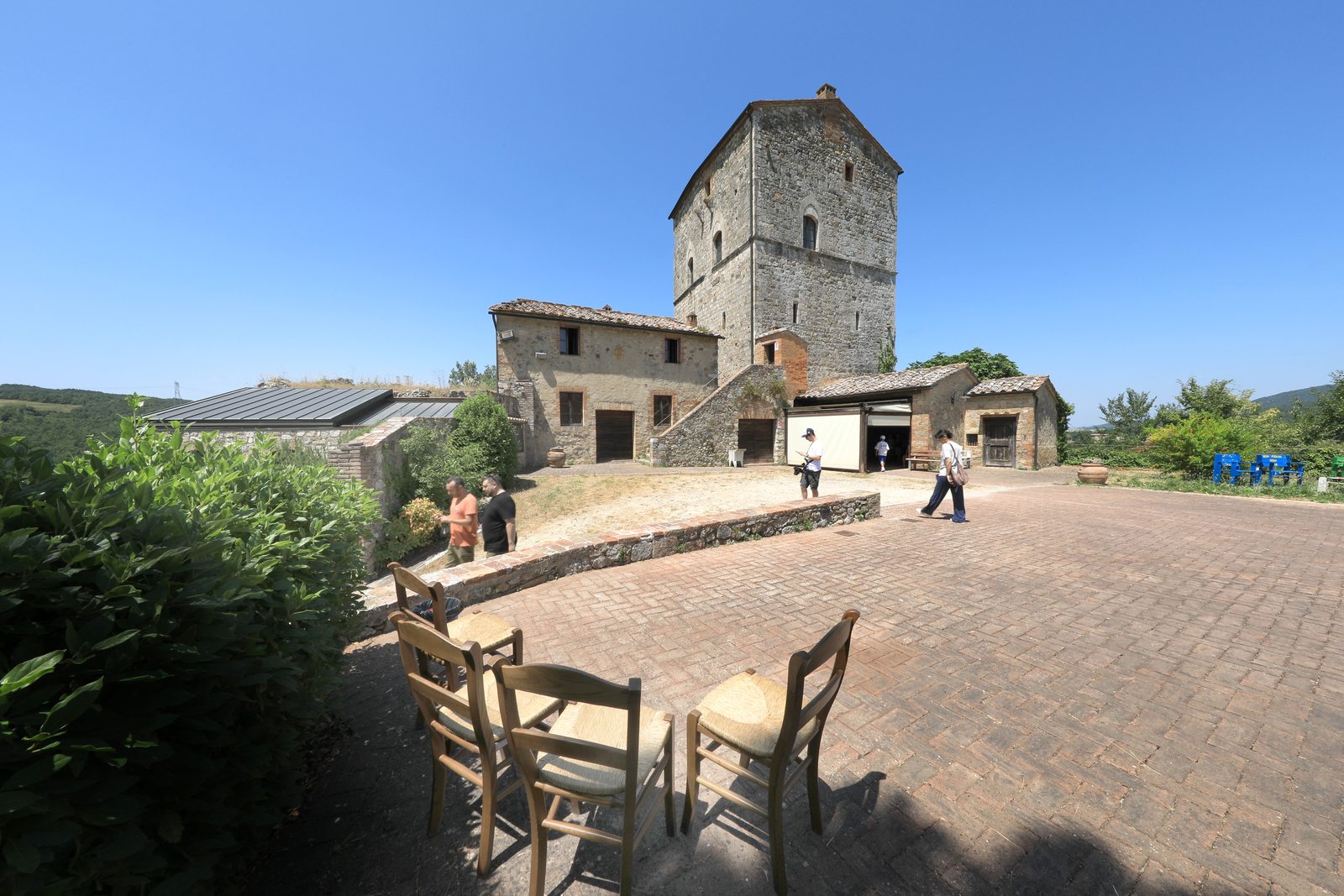
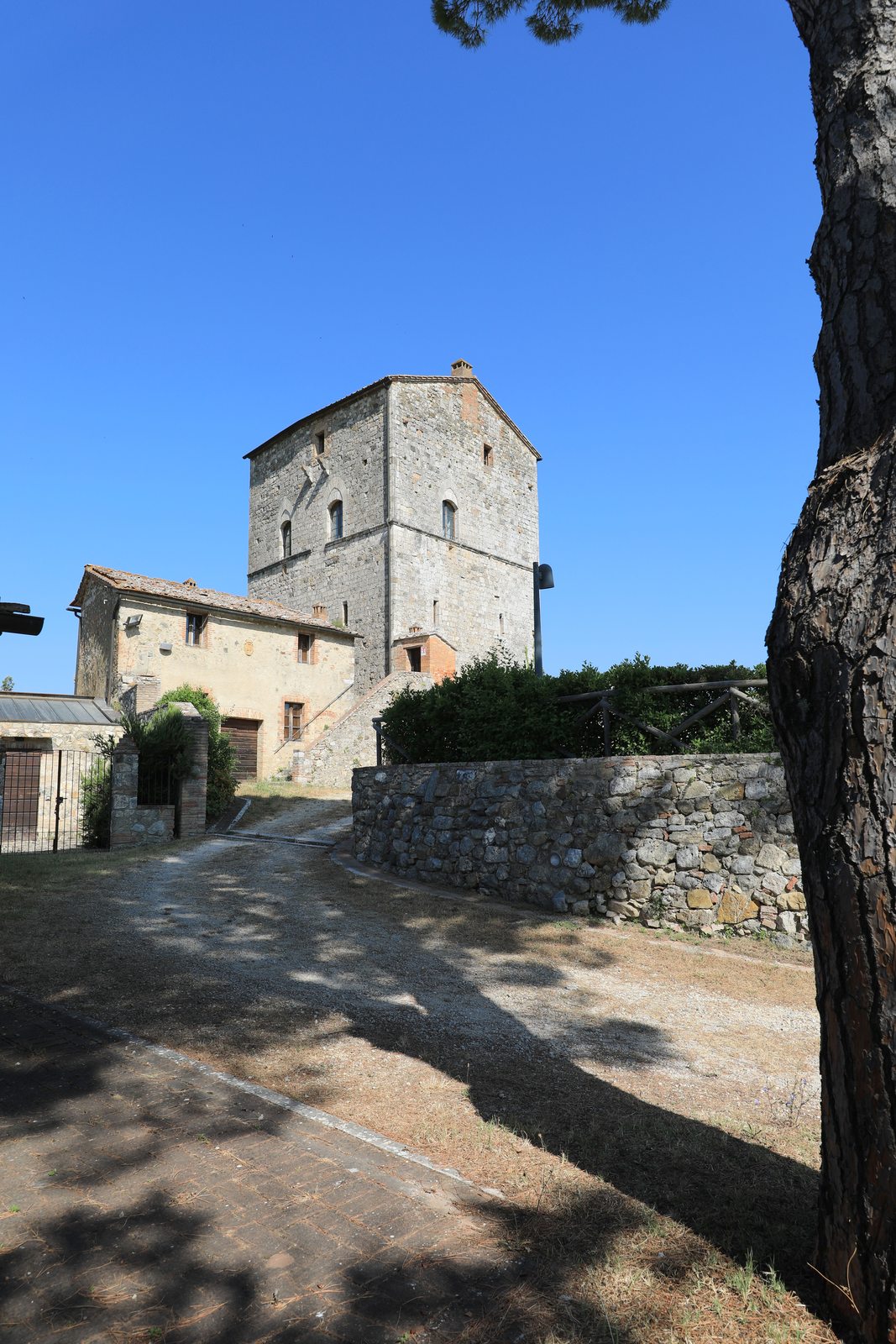
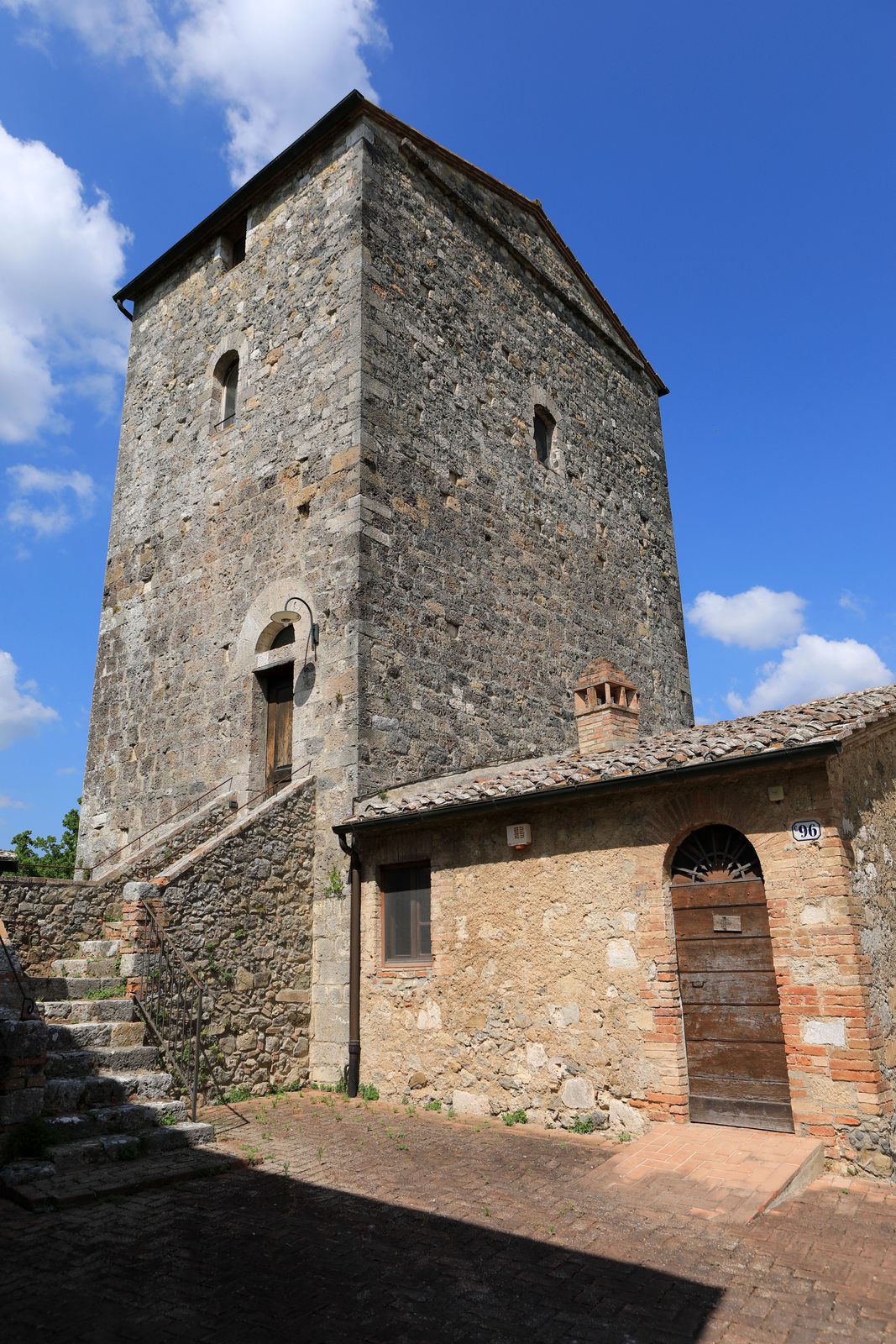
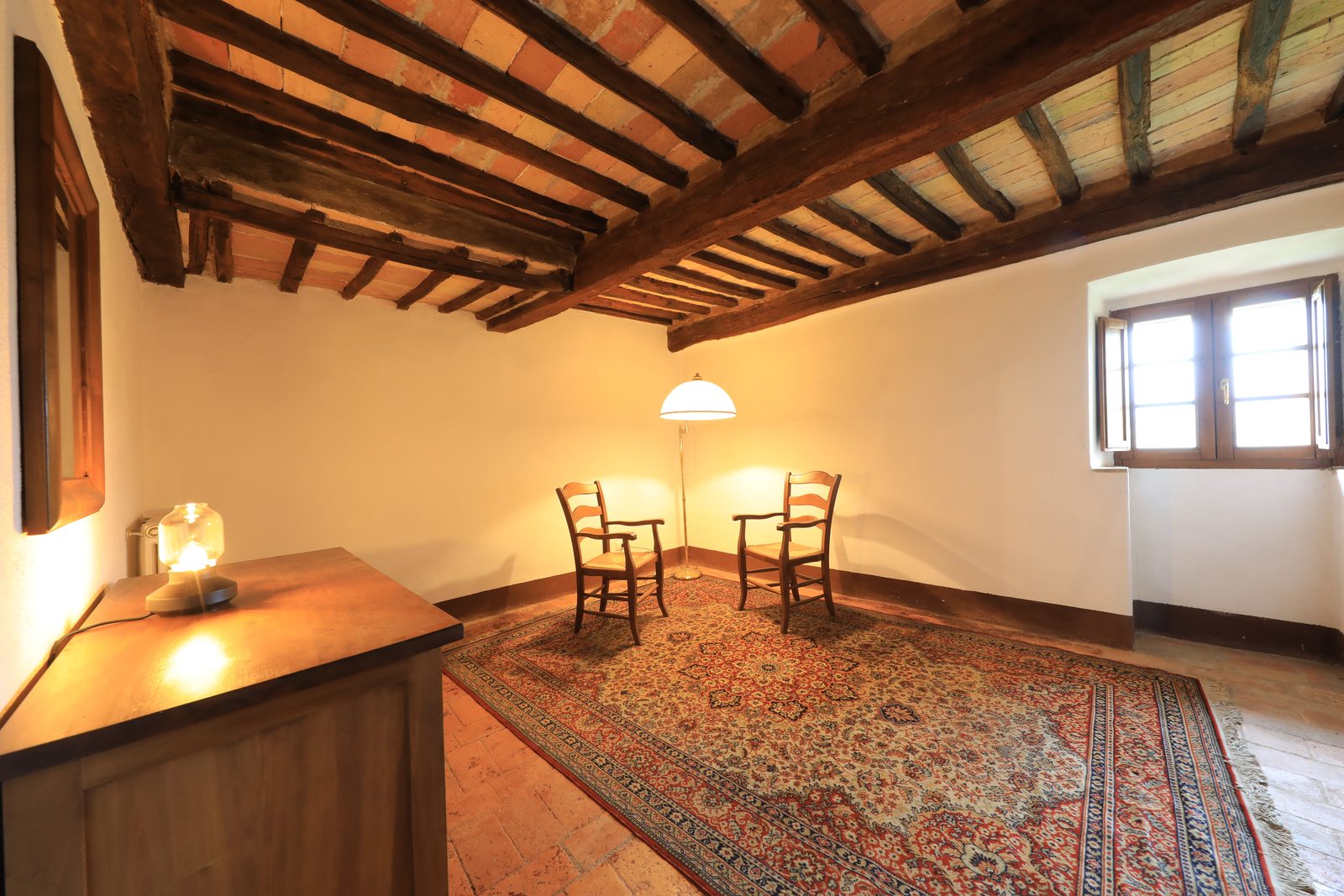
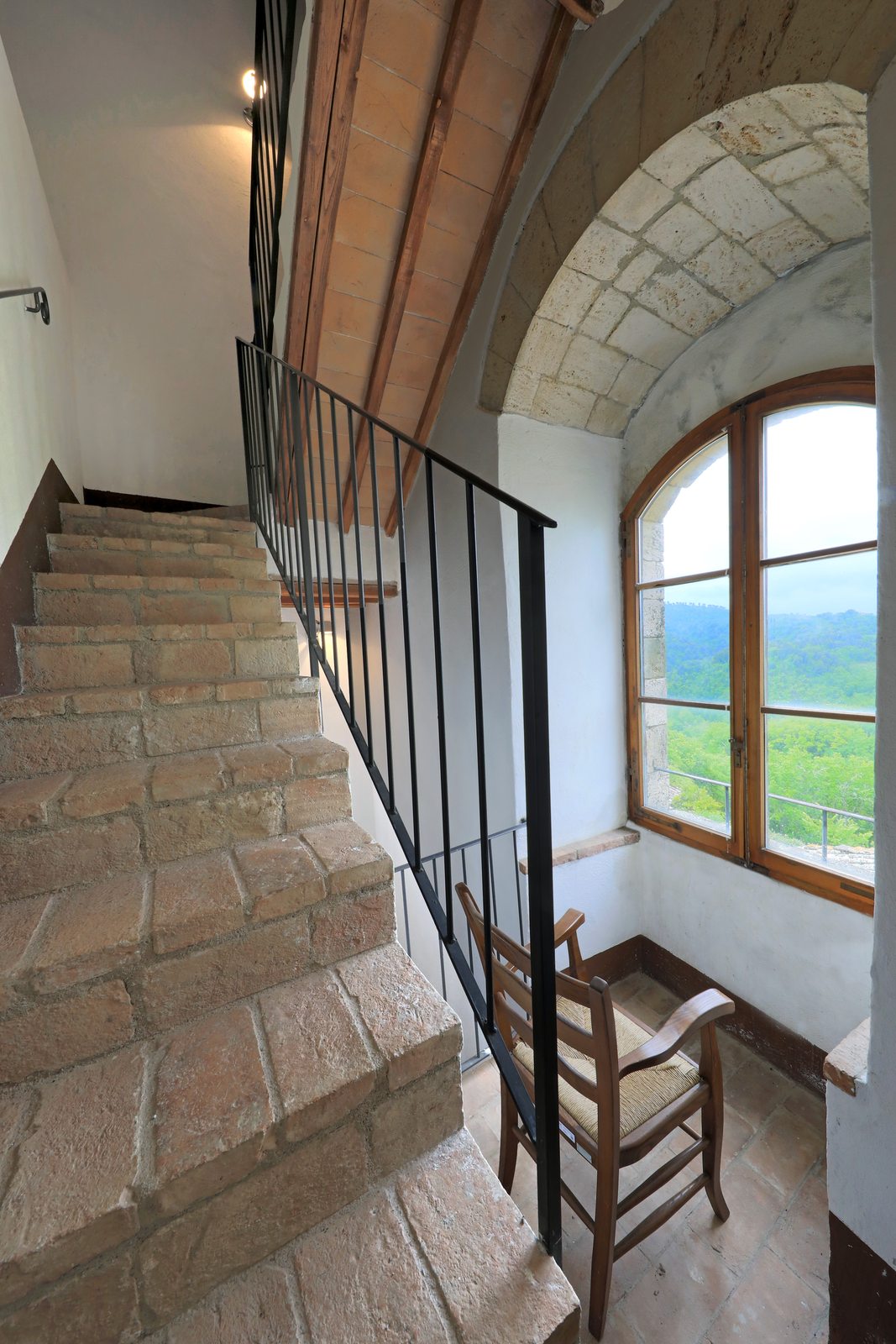
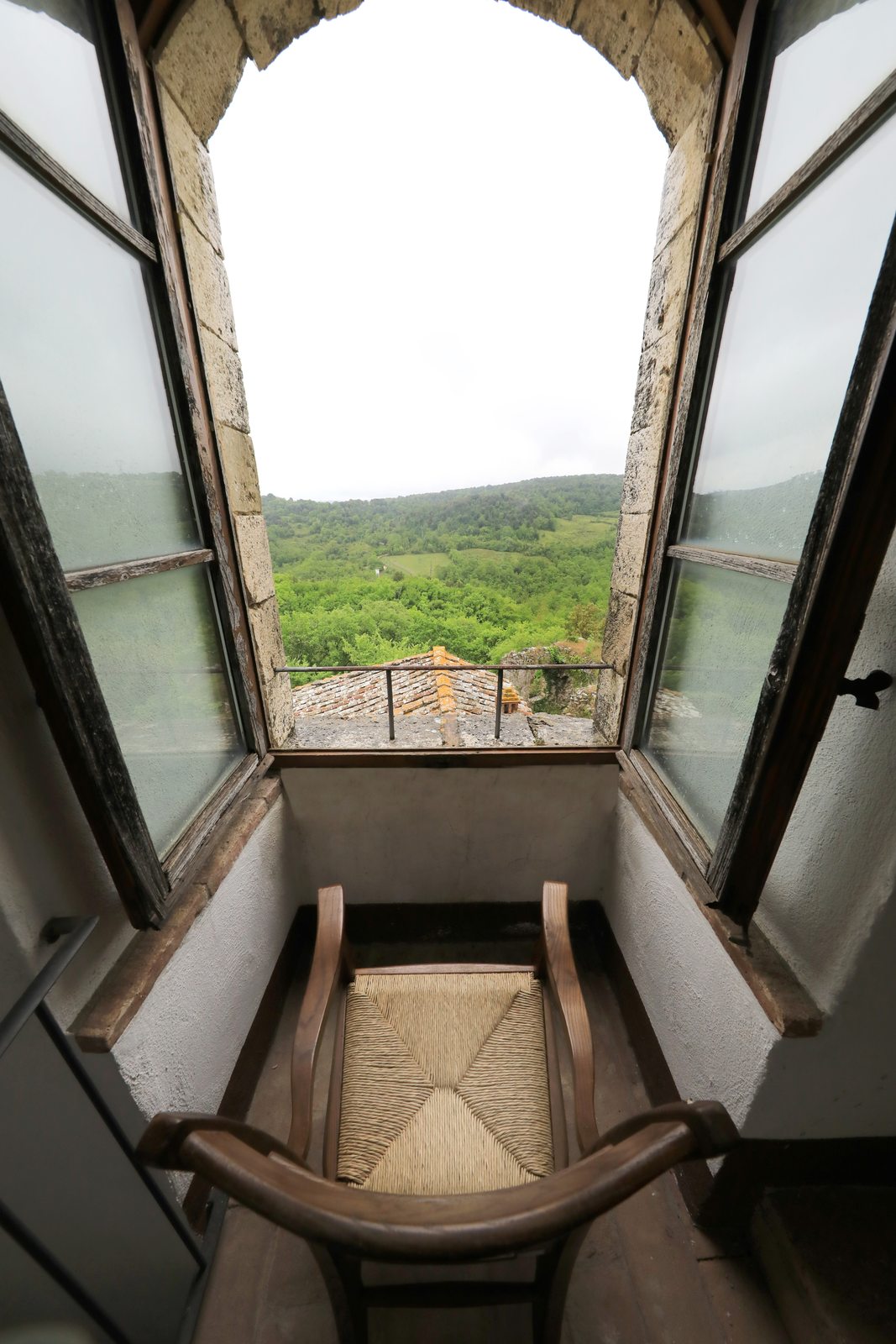
Today two towers remain, with Gothic windows and arrow slits, once crenellated, along with sections of the perimeter walls and the entrance gate. But Montarrenti is much more than what is visible: excavations conducted by the University of Siena between 1982 and 1987 under the direction of Riccardo Francovich, with Richard Hodges, made it one of the founding sites of Italian medieval archaeology and an international case study on incastellamento — the formation of the medieval Tuscan village read through its stones.
Recovered by the Province of Siena, the complex now hosts the Montarrenti provincial astronomical observatory, run by the Unione Astrofili Senesi. With the 2024 agreement between the Province and the Municipality of Sovicille, and the 2025 public call, the way opened for a new season: giving the site back for the local community to use.
02Renovatio’s project
In 2025 the Municipality of Sovicille published a call to identify Third Sector organizations willing to co-design and manage the castle in partnership. Renovatio’s proposal scored 84 out of 100, and on February 27, 2026 the collaboration agreement was signed: management runs from March 1, 2026 through April 17, 2033, within the framework of the concession between the Province of Siena, the site’s owner, and the Municipality.
We did not arrive at Montarrenti by chance: for eight years Renovatio has studied the structure, engaging with local institutions, with the professionals who oversaw its restoration in the early 2000s, and with the farmers and associations of the area. And we bring the experience built up around historic heritage: the collaboration in managing Forte Geremia in Genoa, the promotion projects for Forte Begato, Castello Petroro in Todi and Forte Sangallo in Nettuno.
The model is the co-design framework set out in the Third Sector Code: Renovatio is the implementing body, handling activities, routine maintenance and monitoring with monthly reports; the Municipality contributes utilities, extraordinary works and promotion, on a shared annual calendar. A holistic vision: turning the castle into a living, dynamic multifunctional hub, able to generate synergies, jobs and concrete opportunities for inclusion, together with the Limonaia and the Tinaia that complete the estate.
03The presentation
The project presentation video · Renovatio YouTube channel
04The cultural dimension
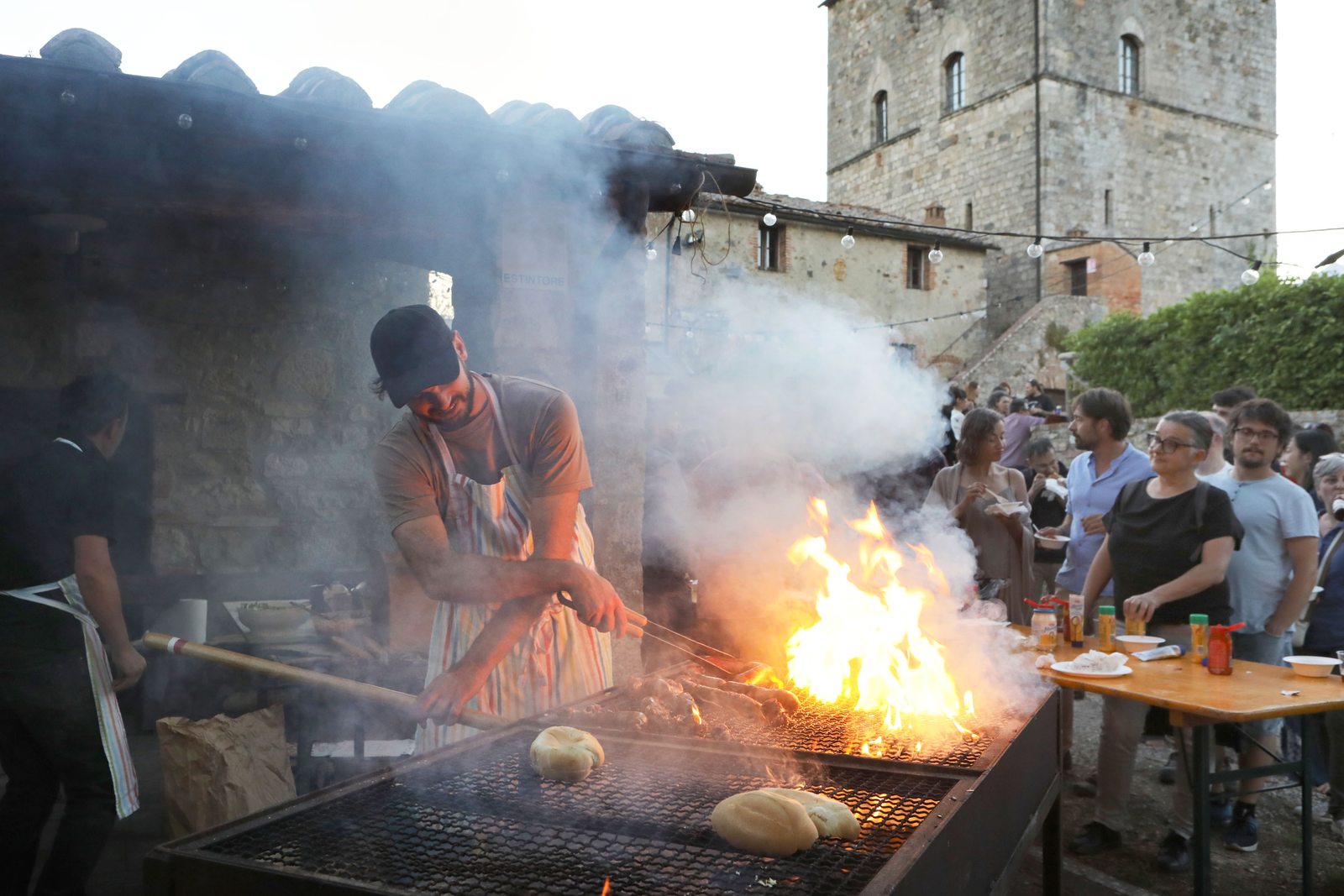
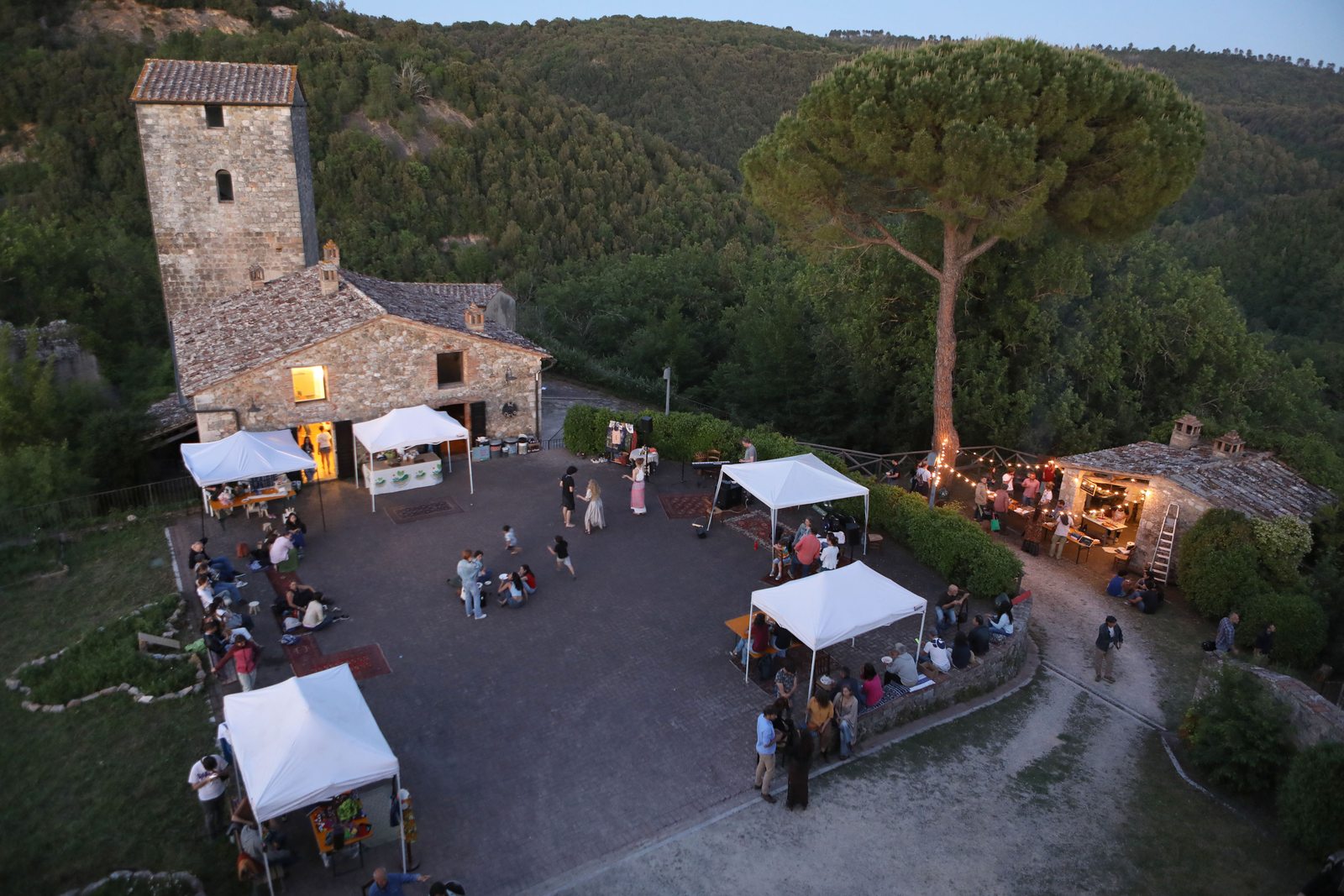
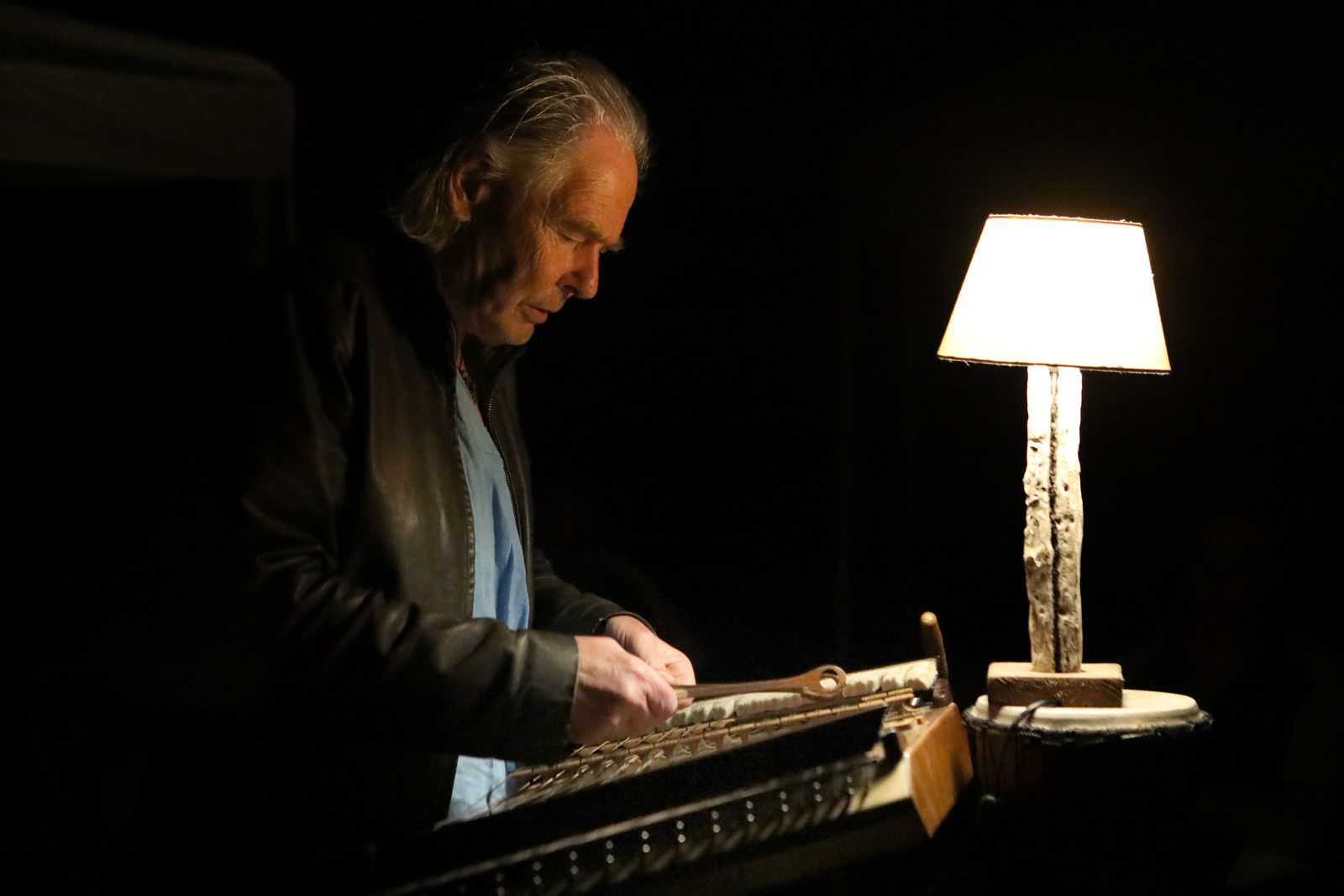
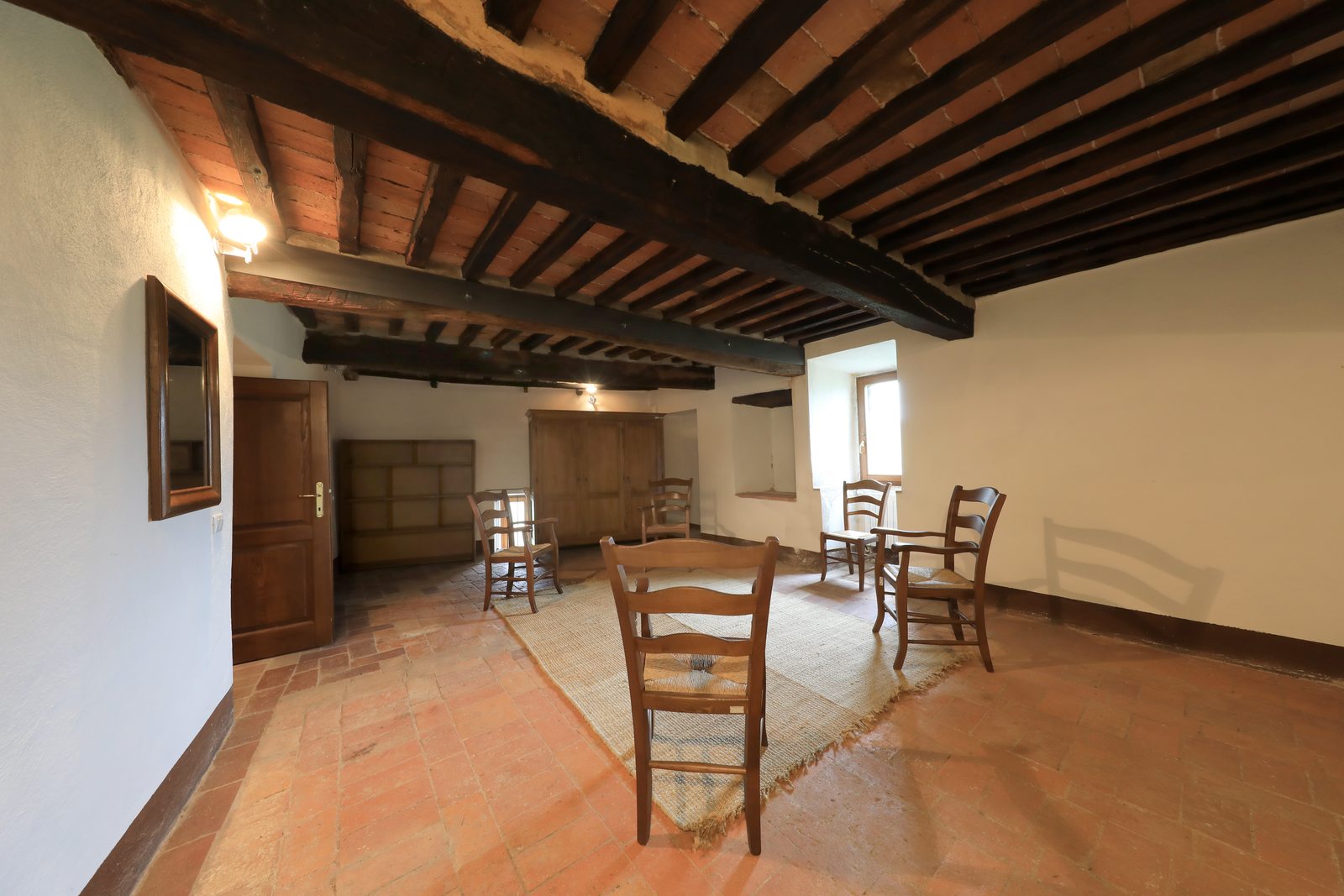
The castle will become a cultural center open to different forms of expression: art exhibitions, concerts, theatrical performances, festivals, creative workshops, film screenings and reading-promotion initiatives, on a calendar built together with the municipal administration. Work on the spaces — safety upgrades, recovery of unused areas, accessible visitor routes, lighting — will be carried out in collaboration with the Superintendency for Archaeology, Fine Arts and Landscape.
On the tourism side, a sustainable, experience-based model: themed guided tours, historical reenactment, food-and-wine itineraries with local producers and the Distretto Biologico of the Sienese valleys, a welcome point, and integrated experiences built with local farm stays, businesses and guides.
A special chapter is the sky: Montarrenti hosts the astronomical observatory of the Unione Astrofili Senesi, with which we will build a structured collaboration — scheduling activities with respect for the darkness observation requires. And of course the storytelling: the series Dentro la Torre documents the castle and the project, episode by episode.

Scroll sideways
05The social dimension
Montarrenti will also be a place of inclusion. The project includes socio-therapeutic placements for people with disabilities, mental health issues, former inmates and other disadvantaged groups: art-therapy and horticultural-therapy workshops, orientation and job-placement internships, agreements for work within the castle’s activities — from grounds maintenance to visitor welcome — in collaboration with social services, local health authorities, cooperatives and associations.
In the outdoor areas, a social agriculture project will take shape, with an educational and therapeutic vegetable garden, workshops for schools, and zero-kilometer markets with local producers. Extracurricular education will bring workshops on history, art, the environment, crafts and new technologies to the castle, along with courses, seminars, and internships and traineeships, including for international students.
Completing the picture is a commitment to the culture of legality and peace: meetings, debates, exhibitions and screenings on human rights and interculturalism, hospitality for volunteer associations, and partnerships with national and international cultural and social organizations. All activities will be designed to be accessible and inclusive.
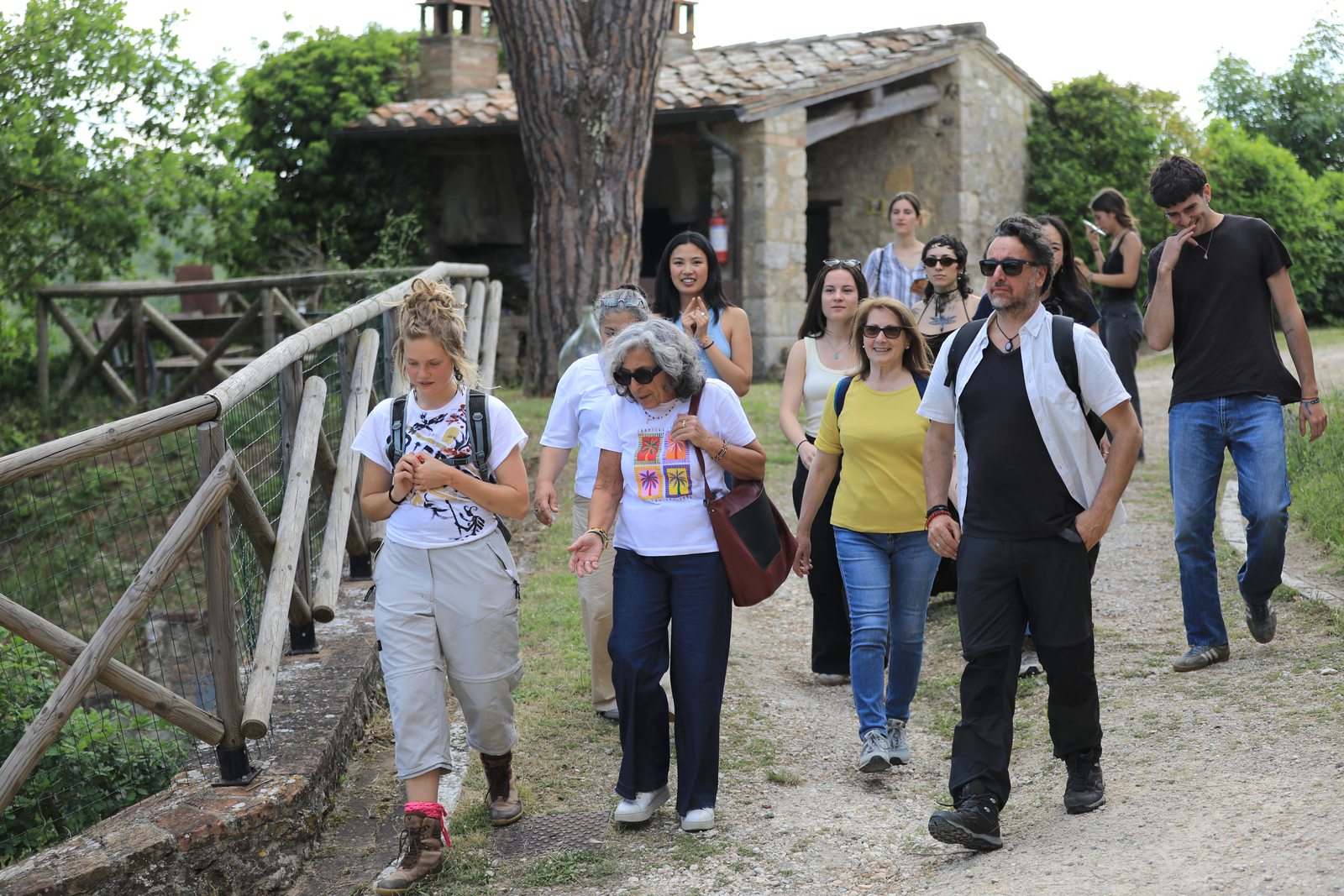
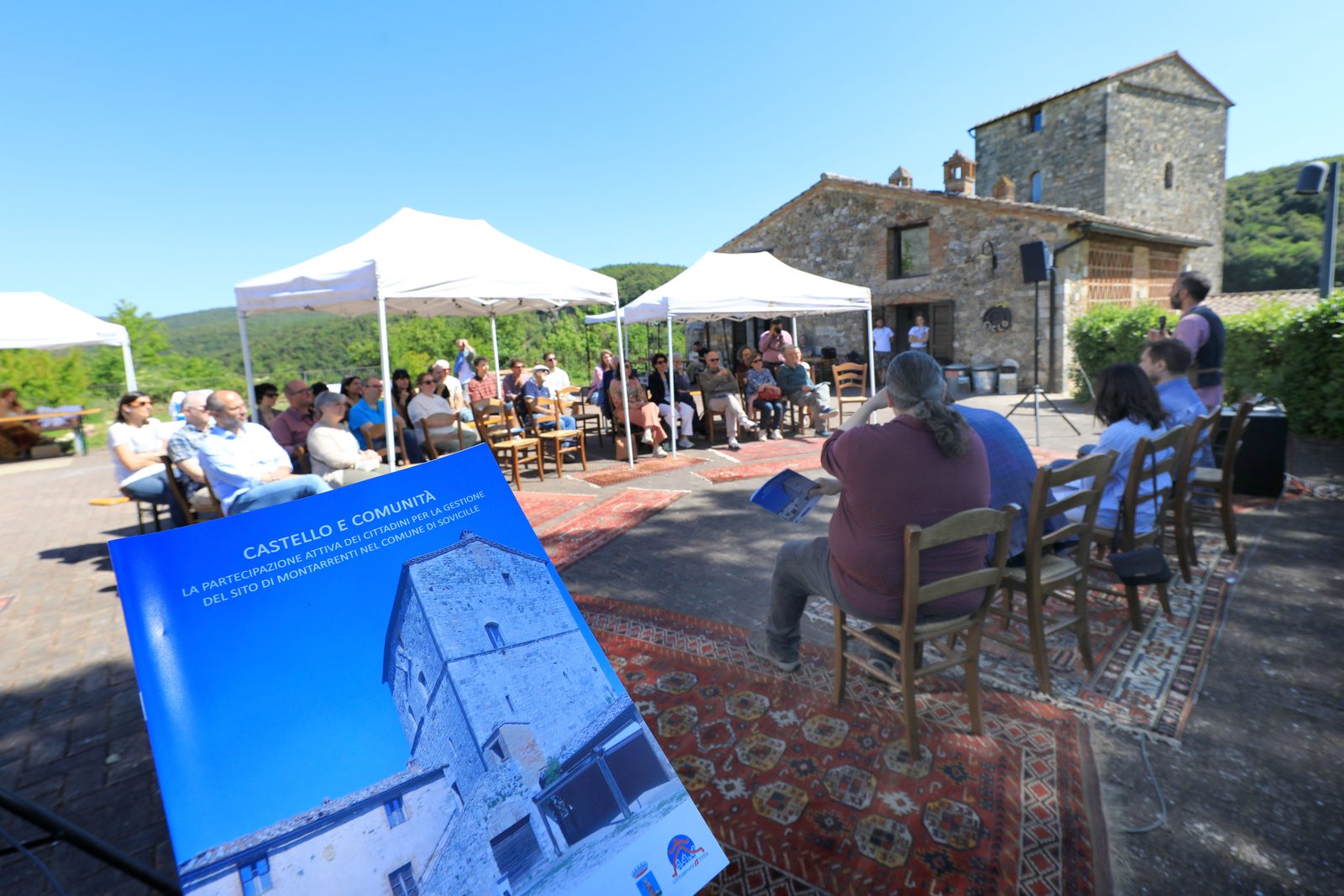
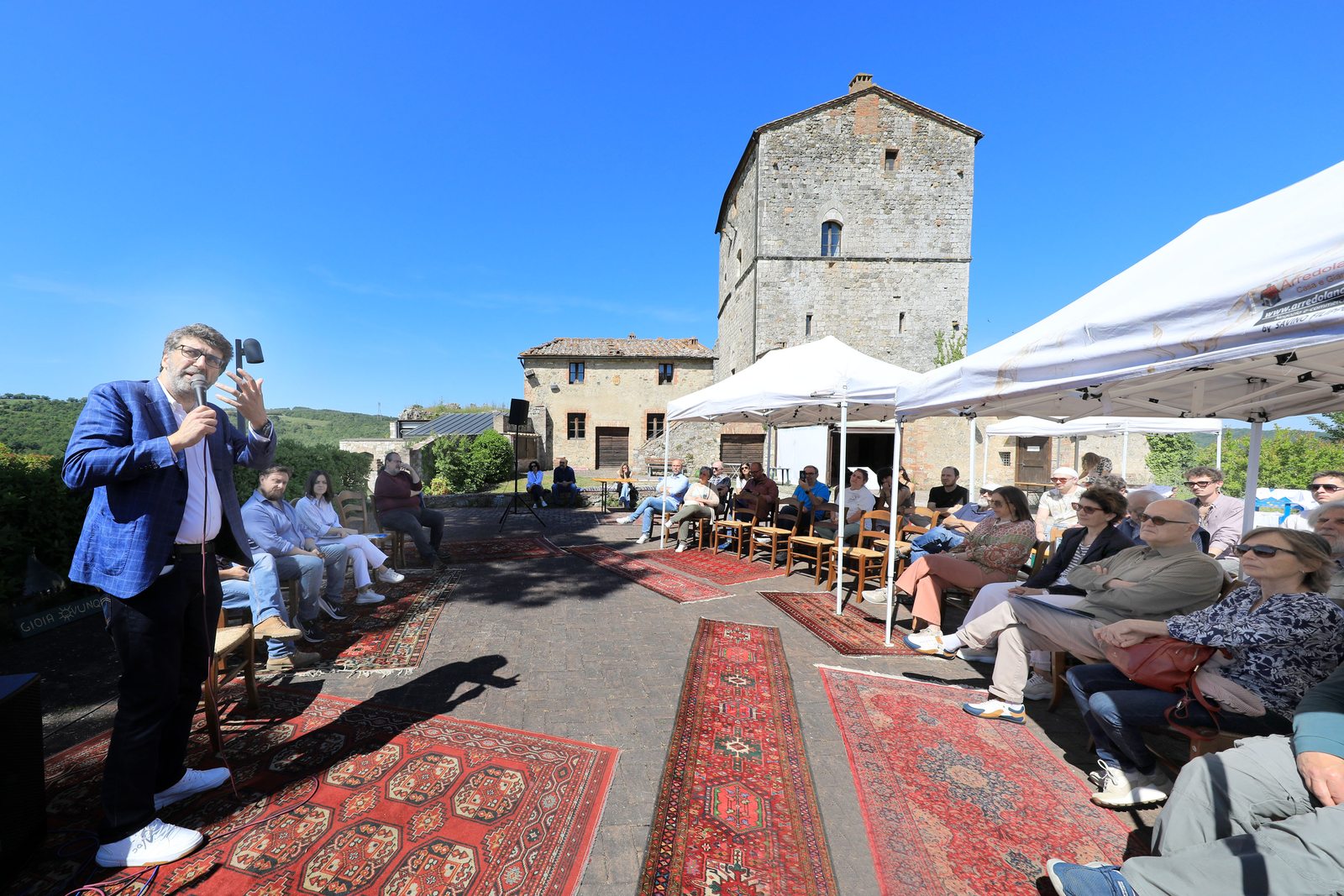

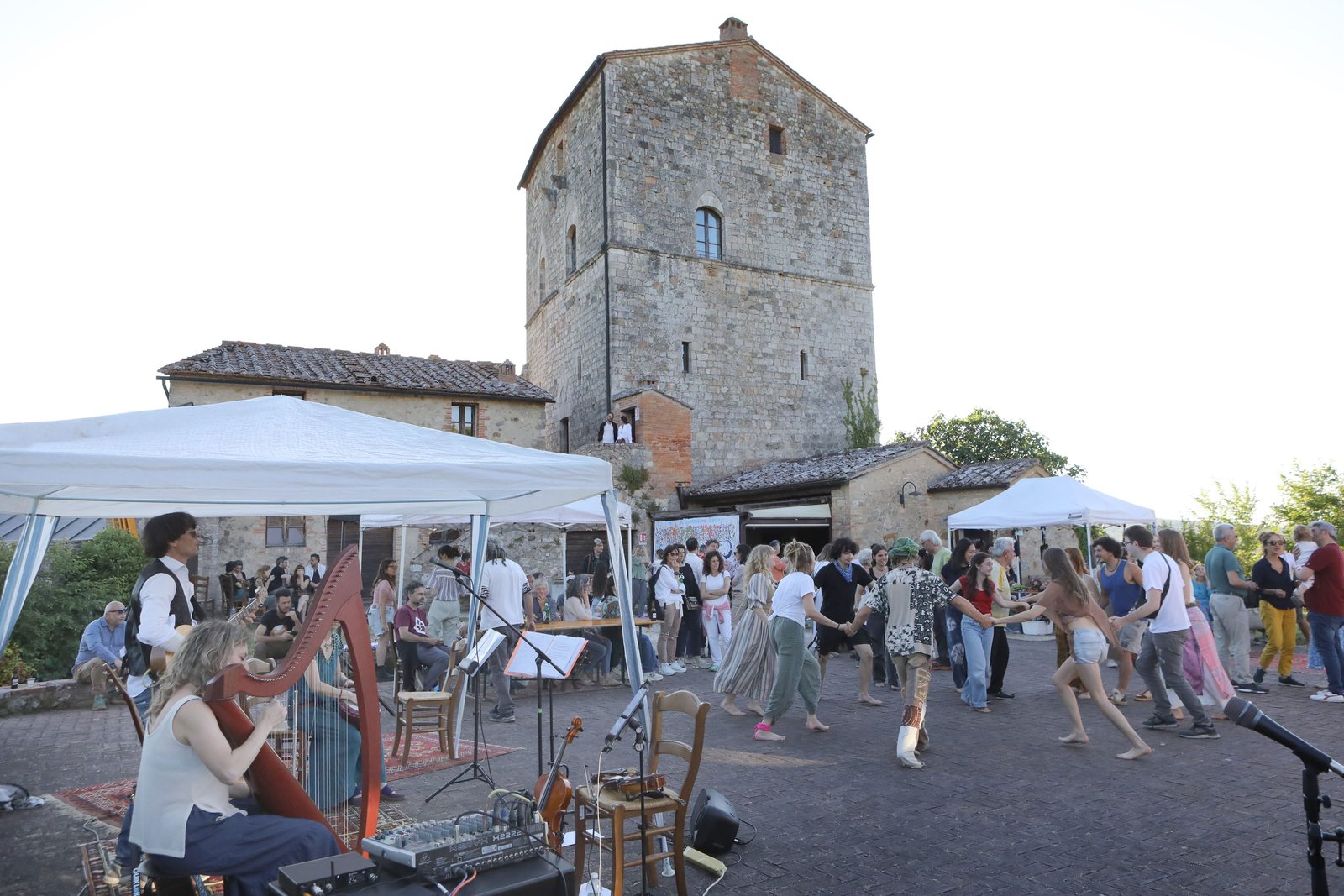
Scroll sideways
06Dentro la Torre
The first episode: exploring the first tower · Renovatio YouTube channel
In the first episode we don’t tell the whole story yet: we simply open the door. The rooms, the hidden details, fragments of a past that has much to say to the present. The next chapter is in production.
«We see in the castle not only a historic asset of inestimable value, but a catalyst for the social, economic and cultural growth of the community.»
From Renovatio’s project proposal